Seagate FireCuda Evolution: Merging Legacy Reliability with Next-Gen Performance
Feb-03-2026
The ever-evolving world of PC components continually reshapes the way enthusiasts experience digital adventures. Seagate’s latest revision in its storied FireCuda lineage has emerged as a notable contender amid a competitive market. This storage device promises high-speed responsiveness and modern functionality suitable for both avid gamers and creative professionals. Although sourcing this drive became a challenge due to fluctuating stock and market pressures, its feature set resonates with those in pursuit of top-tier performance. The refreshed model integrates familiar design traits with new enhancements, ensuring that both new builds and established systems receive a performance boost. Every facet of its operation, from the physical packaging to the internal mechanisms, contributes to an experience that transcends typical storage upgrade journeys.
Precision in Engineering and Visual Appeal
The first encounter with the drive immediately highlights a blend of minimalist design and robust engineering. Encased within the conventional M.2 2280 format factor, this device is crafted with the rigors of modern computing in mind. Upon unpacking, one cannot miss the subtle yet deliberate aesthetic choices that set it apart from competitors. Although simple in appearance—with a single sticker accentuating its identity—the understated style speaks volumes about its no-nonsense performance focus. Early impressions might question the durability of its superficial design elements; however, those concerns are soon allayed by the engineering integrity inherent in every component. The drive’s sleek contours and compact form serve as a visual testament to the careful calibration between functional performance and pragmatic design.
Innovative Internal Architecture and Technology
Underneath its modest exterior lies a highly engineered system that defines contemporary SSD innovation. The drive utilizes 162-layer 3D TLC NAND Flash technology coupled with a pseudo-SLC caching mechanism, empowering it to approach impressive sequential read and write speeds. This architecture capitalizes on the advantages of PCI-Express 4.0, streamlining data transmissions for both gaming and content creation tasks. The layered NAND structure not only enhances storage density but also ensures that the drive maintains remarkable endurance rates even under heavy usage. Every bit of the internal circuitry is optimized for speed and efficiency, reducing latency and providing a seamless interaction between the system and the storage medium. This level of detail speaks to Seagate’s commitment to merging technological advancement with practical, everyday use.
Advanced Connectivity and Installation Versatility
Integration into any modern rig is facilitated by the drive’s adherence to standard M.2 specifications, ensuring compatibility across a myriad of platforms from high-performance PCs to next-generation consoles. Its PCI-Express 4.0 x4 interface provides the bandwidth necessary for demanding applications, and its design caters to effortless installation even for those who may be upgrading from legacy storage solutions. The non-heatsink version appeals to users who wish to craft their own cooling strategies, while the heatsink models offer a turnkey solution for streamlined builds, particularly in console environments like the latest gaming systems. The installation process itself is straightforward, reducing the technical barrier for many, and the compact footprint means that even tightly designed systems can accommodate its presence without compromise. This flexibility in connectivity and form factor underscores its versatility in meeting varied user needs.
Benchmarking and Performance Highlights
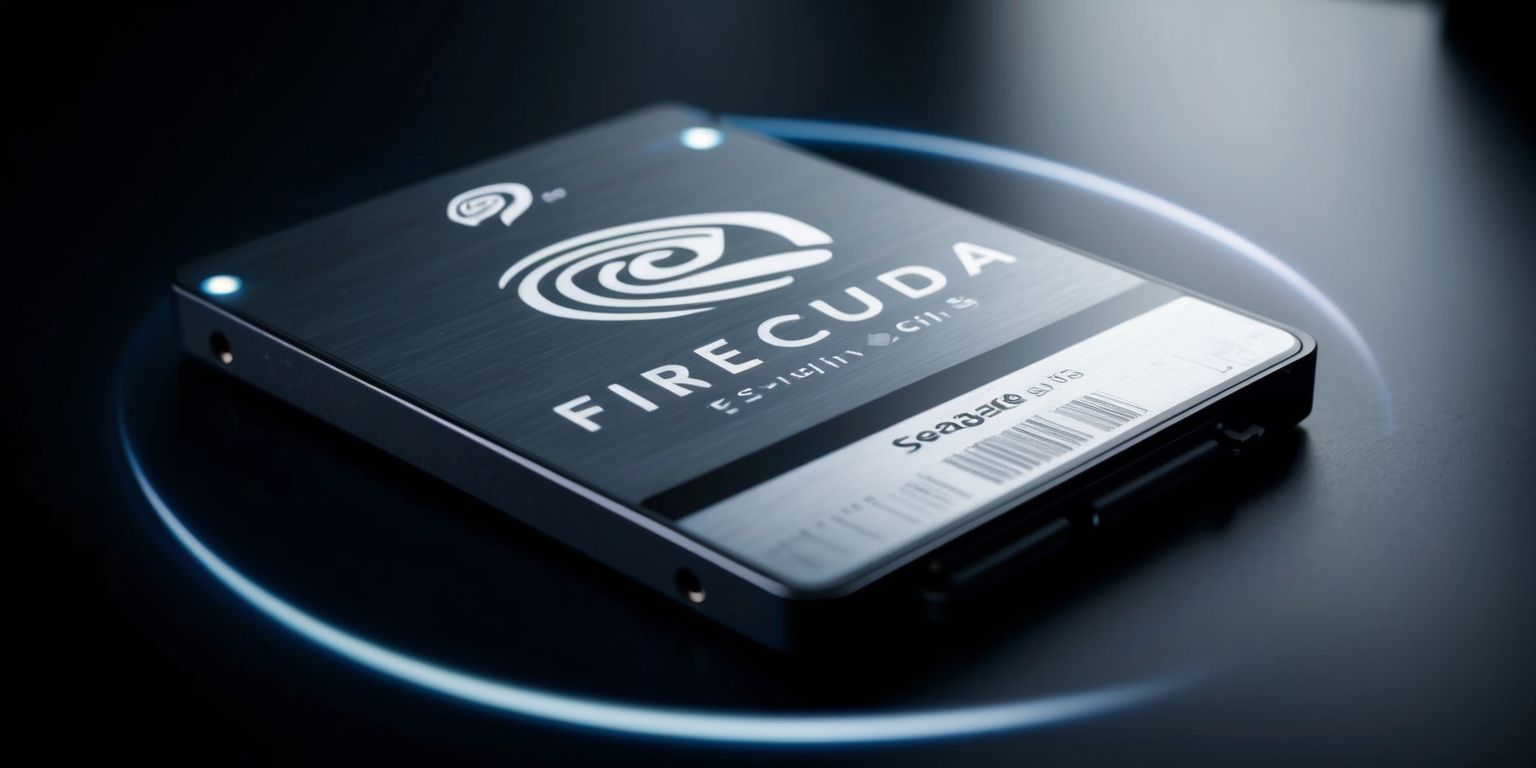
The drive claims striking sequential read and write speeds, boasting figures that promise an enhancement in everyday system responsiveness. In controlled tests, the device was pushed through its paces using a renowned benchmarking tool designed to measure its capabilities across multiple trials. The calculated averages, though slightly shy of the advertised peaks, still demonstrate an impressive performance that situates it firmly within the competitive edge of Gen 4 SSDs. These measured speeds directly correlate with faster boot times and reduced load delays for large applications. The consistency observed in the benchmarks provides an assurance that the drive performs steadily, even during prolonged periods of intensive data handling. While comparisons with alternative top-tier SSDs reveal modest differences, the overall performance of the device remains compelling for its targeted demographic.
Real-Time Gaming Performance in Dynamic Environments
In real-world gaming scenarios, databases and textures are loaded swiftly, contributing to smoother gameplay experiences. During immersive trials with several high-demand titles, the drive delivered noticeably reduced load times compared to older local storage options. This reduction in waiting time translates to more immediate action and less interruption during gameplay. For instance, when launching favorite online and strategy games, the drive managed to relay data quickly enough to mitigate any perceptible lag, ensuring that the seamless gaming experience touted in its marketing remained intact. Moreover, the fluidity in performance meant that even graphically intense segments did not induce any unwarranted interruptions, enabling competitive gamers to maintain focus throughout their sessions. The drive demonstrates that when it comes to real-time gaming environments, cutting-edge storage solutions can indeed provide that extra edge.
Heat Management and Operational Stability
One of the commendable features of the drive relates to its unwavering operational stability under prolonged stress. Over an extended testing interval, the device maintained moderated temperatures, staying well within safe operating limits. This remarkable thermal efficiency is not merely a byproduct of its internal construction but also reflects a well-considered approach to heat dissipation. Users especially concerned with system longevity will find solace in its ability to sustain performance without succumbing to thermal throttling, even during extended gaming sessions or heavy data transfers. This stability under load underscores the robust nature of the storage solution, with temperature readings hovering at comfortable levels throughout the rigorous testing phase. Its performance under sustained stress conditions assures that the drive can endure demanding usage scenarios without compromising its efficiency.
Integration with Modern Gaming Systems and Software Enhancements
In an era where system architecture is increasingly interlinked with specialized software support, this drive steps forward by incorporating advanced techniques that cater to modern demands. With official support for platforms such as Microsoft DirectStorage, it aligns itself closely with the evolving landscape of gaming technologies. This compatibility facilitates faster load times and smoother transitions between in-game environments, a boon for gamers constantly seeking split-second responses. The drive’s design ensures that it slots seamlessly into both desktop gaming rigs and next-generation consoles, thereby broadening its appeal across various segments of the market. Such integration signifies a thoughtful intersection between high-speed hardware and contemporary software ecosystems, ensuring that performance is maximized in every possible use case.
Market Dynamics and Pricing Realities
Despite the impressive technical specifications and performance benchmarks, one of the prevailing challenges revolves around market availability and dynamic pricing. Initially launched as a cost-effective, high-performance option, the drive’s accessibility has faced hurdles, particularly in regions with high demand. Customers have noted discrepancies between the suggested retail price and the cost of actual units in the market, a situation compounded by sporadic stock levels. This economic landscape has spurred debates among enthusiasts regarding the balance between performance and affordability. Furthermore, the variances in model availability between different regions illustrate the complexities inherent in global supply chains. Prospective buyers must, therefore, weigh the device’s alluring performance attributes against the practical aspects of current market conditions when planning their upgrades.
Fusing Heritage with Innovation in Storage Solutions
The drive serves as a bridge between trusted legacy and forward-thinking innovations in SSD technology. Drawing from the robustness of earlier models in the FireCuda series, this revised version borrows established engineering principles while integrating cutting-edge components. Its slightly modified design, though reminiscent of its predecessor, incorporates improvements that enhance daily usability and overall performance. Users familiar with earlier iterations will appreciate the subtle upgrades, which manifest as quicker responsiveness and a more dynamic interface with the system. The integration of advanced NAND flash and high-speed controller mechanisms bolsters consumer trust, reflecting a brand commitment to continuous evolution. This fusion of heritage with modern capabilities results in a product that stands as both a reliable workhorse and a step toward future technological paradigms in storage.
Comprehensive Testing and Consumer Acceptance in Rigorous Environments
Over an intensive testing period stretching across numerous scenarios and applications, the drive consistently proved its mettle. The evaluation process encompassed synthetic benchmarks, real-world gaming load tests, and extended operability sessions that simulated heavy multitasking. Observers recorded not only the raw speed metrics but also the fluidity with which the drive supported complex system interactions. By installing multiple highly demanding titles, the drive managed to balance rapid startup times with seamless in-game performance, all while handling background operations without any detectable slowdowns. This rigorous scrutiny allowed enthusiasts to witness firsthand the drive's balanced performance profile—one that favors consistent responsiveness alongside reliable data handling across demanding environments. Feedback from early adopters aligned with these observations, highlighting a consensus that the drive meets and, in many cases, exceeds modern performance expectations.