Fortnite Meets Springfield: Navigating Character Authenticity in a Digital Cross-Over
Feb-17-2026
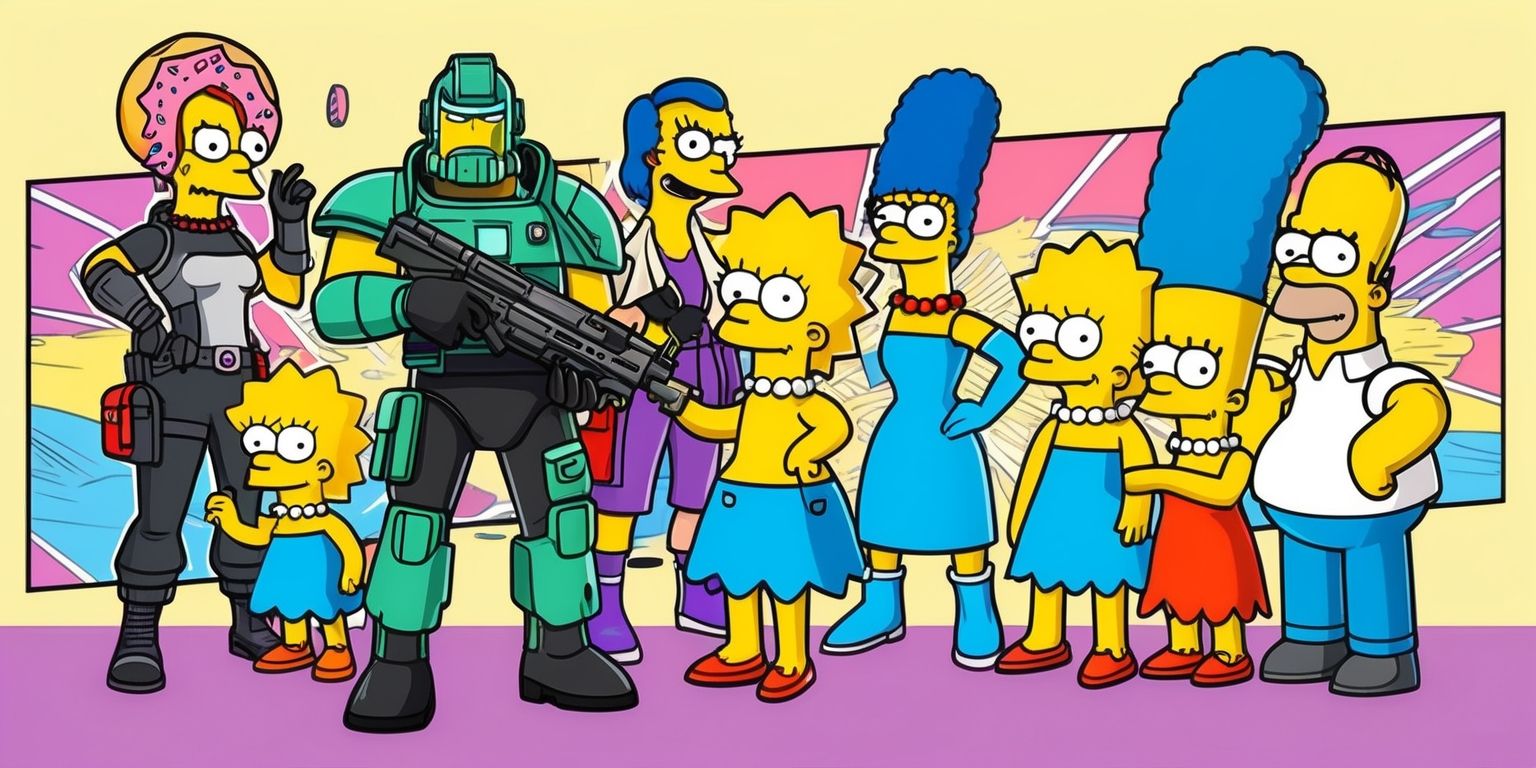
In a recent update that merged the vibrant worlds of Fortnite and The Simpsons, an unexpected twist emerged regarding a much-beloved character. In this digital fusion, the iconic character Apu experienced an alteration in his screen portrayal, leading to noticeable differences in his signature appearance. As the new season unfolds, players have become aware of subtle discrepancies that evoke dialogue from fans and critics alike. The digital realm of Springfield has been expanded with interactive elements and familiar settings, serving as a canvas for creative reinterpretations of classic characters. Amid the excitement of game updates and new crossovers, the attention to detail in character design has been a subject of much discussion, sparking both praise for the imaginative blend and debate over authenticity in representation.
Reimagining an Icon in Digital Springfield
The integration of The Simpsons universe into Fortnite has introduced a unique visual pallet to the gameplay experience. Epic Games has encountered and acknowledged an issue where Apu's image does not accurately reflect his traditional appearance. Specifically, an illustration placed in Moe's Tavern mistakenly depicts the character with a skin tone resembling that of his fellow Springfield residents. This oversight has stirred considerable conversation among the community, as the error touches on a deeper connection to the character's authentic portrayal in the TV series. The company promptly addressed the situation, assuring players that adjustments are forthcoming. This incident highlights the challenges faced when merging distinct artistic interpretations from different media, emphasizing the importance of precise character representation in a world where both visual detail and cultural homage matter significantly.
Attention to Character Authenticity in a Mixed Universe
The deliberate effort to faithfully translate The Simpsons characters into Fortnite's aesthetic underscores the complexities of digital adaptation. While most characters have seen seamless integration, Apu’s portrayal provided an instance where the visual details were misaligned with longstanding artistic design cues. In the original television series, Apu’s skin tone is a distinct signal of his identity, and any divergence can impact the audience's perception. Recognizing this, Epic Games has taken steps to restore the correct visual narrative. The correction is not merely a technical fix but a respectful nod to the roots of the character’s history. This event serves as definitive evidence of the… responsibility developers have when bridging storytelling traditions with modern gaming innovations, ensuring that each character is honored in both style and substance.
Exploration of Visual Elements and In-Game Settings
The addition of Springfield-themed locations has elevated Fortnite's environmental dynamics, allowing players to traverse iconic sites like Moe's Tavern, the Kwik-E-Mart, and even the nuclear plant. Each location is designed with an attention to detail that integrates landmarks familiar to longtime fans of The Simpsons. The error involving Apu was noticed in one such setting, where a piece of in-game artwork at Moe's Tavern diverged from established character design. This oversight brought forward discussions about how digital environments can enhance narratives when characters are contextualized within meaningful backdrops. The immersive nature of these settings It not only enriches the gameplay with added layers of complexity but also nurtures a creative space where history and modern gaming coexist. The setting provides an engaging platform for both homage and innovation in digital storytelling.
Contextual Connections Between Traditions and Modern Media
Within the sprawling narrative of both Fortnite and The Simpsons, the portrayal of characters like Apu carries layers of cultural significance. The digital representation in Fortnite mirrors a transformative moment that parallels shifts seen in the original TV series, where discussions about representation and authenticity have taken center stage. In recent years, Apu’s character experienced changes in voice and narrative role, influenced by broader debates about cultural representation in entertainment. This ongoing dialogue is now echoed in the virtual space where developers must balance nostalgia with contemporary calls for respectful adaptation. The incident, though technical in nature, encourages a reflection on how traditional media and modern gaming intersect, inviting a broader conversation about the evolution of character portrayal and cultural sensitivity in a rapidly changing entertainment landscape.
Innovative Gameplay Changes and Community Interaction
The latest season in Fortnite, embellished with The Simpsons' hallmark charm, has not only refreshed aesthetics but also reconfigured gameplay mechanics that resonate with both gamers and pop culture enthusiasts. The season’s battle pass, featuring a range of character skins—including imaginative reinterpretations of Homer, Marge, and a playful variant of Flanders—generates excitement with each new unlockable reward. The community has been quick to discuss the interplay between these innovative skins and traditional character portrayals, lending insight into how digital versions of familiar faces can influence gameplay strategies. Adjustments such as the impending correction of Apu's image underscore the developers’ commitment "to enhancing the user experience and preserving a" respectful homage while integrating gameplay enhancements. This balance between innovation and fidelity reinforces a continuous evolution of digital interaction in a hybrid narrative world.
Technical Adjustments and Developer Responsiveness
In light of the misrepresentation of Apu, the developers at Epic Games have demonstrated transparency and readiness to address the issue quickly. The error, which has been openly acknowledged, is set to be corrected in the upcoming release. Such responsiveness is a crucial marker of modern game development, where the interplay between community feedback and technical refinement plays a central role. This incident reinforces the conversation around quality control and the challenges inherent in adapting beloved narratives into interactive environments. Behind every digital asset and painstakingly designed location is a commitment to authentic representation, and the rapid response to Apu's visual error illustrates a broader industry trend of prioritizing player experience and cultural accuracy within gaming ecosystems. The collaborative dialogue between developers and users becomes a cornerstone for continuous improvement.
Embedded Cultural Narratives and Legacy Characters
The issue surrounding Apu’s portrayal touches a broader narrative about legacy characters in popular media. Apu, known for his intricate background and longstanding cultural significance, occupies a nuanced place within The Simpsons. The character’s evolution—including moments of diminished screen time and shifts in narrative focus—mirrors external societal debates about his respectful portrayal. Within Fortnite, where character representation takes on a dynamic, user-driven dimension, maintaining these cultural narratives requires a delicate equilibrium. Players keenly observe even the smallest details, making authenticity paramount. The forthcoming rectification not only corrects a visual oversight but also reaffirms the intention to honor the distinct legacy each character carries. This approach enriches the digital storytelling experience by melding respectful historical representation with the innovative spirit of modern gameplay.
Expanding the Universe with Cross-Platform Ventures
The infusion of The Simpsons into Fortnite is This is one element of a larger initiative undertaken by Epic Games to embrace a wide spectrum of pop culture elements. This collaboration is not a standalone event but a stepping stone toward future interdisciplinary partnerships that could include other iconic franchises. Players have speculated about upcoming collaborations, with early data hinting at potential ventures involving popular animated and literary universes. The integration extends beyond mere aesthetics; it reshapes how narrative arcs are experienced in a digital domain, inviting cross-referential gameplay and expanding the universe in unforeseen ways. The immersive settings of Springfield serve as a gateway to explorations that could redefine interactive storytelling. This multifaceted approach not only heightens player engagement but sets the stage for a continuously evolving digital landscape anchored in shared cultural touchstones.
Digital Artistry and Environmental Design in the Virtual Realm
Visual artistry remains a cornerstone of cross-franchise collaborations such as the Fortnite and The Simpsons update. Through painstaking architectural design and creative environmental details, each in-game location becomes a vibrant tableau of familiar yet reimagined worlds. The interplay between traditional character art and Fortnite’s dynamic design elements Crafts an experience that blends cherished reminiscences with a bold, innovative spirit. In this context, the issue observed with Apu’s appearance is more than a mere technical hiccup; it is an invitation to examine how digital creator teams adapt visual identities across platforms. Immersive details, ranging from the subtle hues to the spatial arrangement within iconic settings like Moe's Tavern, highlight the developers' pursuit of authenticity. Such visual explorations ensure that players immerse themselves fully, engaging with every element in an environment where art and gameplay converge seamlessly.
Community Dynamics and the Role of Player Feedback
Vibrant player networks form the bedrock of the… digital evolution taking place in titles that bridge multiple cultural narratives. Feedback regarding Apu’s misrepresentation illustrates the power of collective scrutiny when a storied character does not meet established expectations. Online forums and social media have buzzed with insights, critiques, and commendations regarding the robustness of the in-game character portrayals and environmental designs. Developers have been attentive, acknowledging that even minor discrepancies can influence overall immersion and audience satisfaction. This incident underscores how communities drive content refinement and help shape the future of in-game collaborations. Active engagement from users paves the way for nuanced improvements, ensuring that narrative integrity remains intact as updates roll out. The interaction creates a dynamic feedback loop between the digital creators and their audience, fostering an environment of continuous artistic evolution.