Broken Ranks: A Tactical Dark Fantasy MMORPG Built on Meaningful Choices
Nov-17-2026
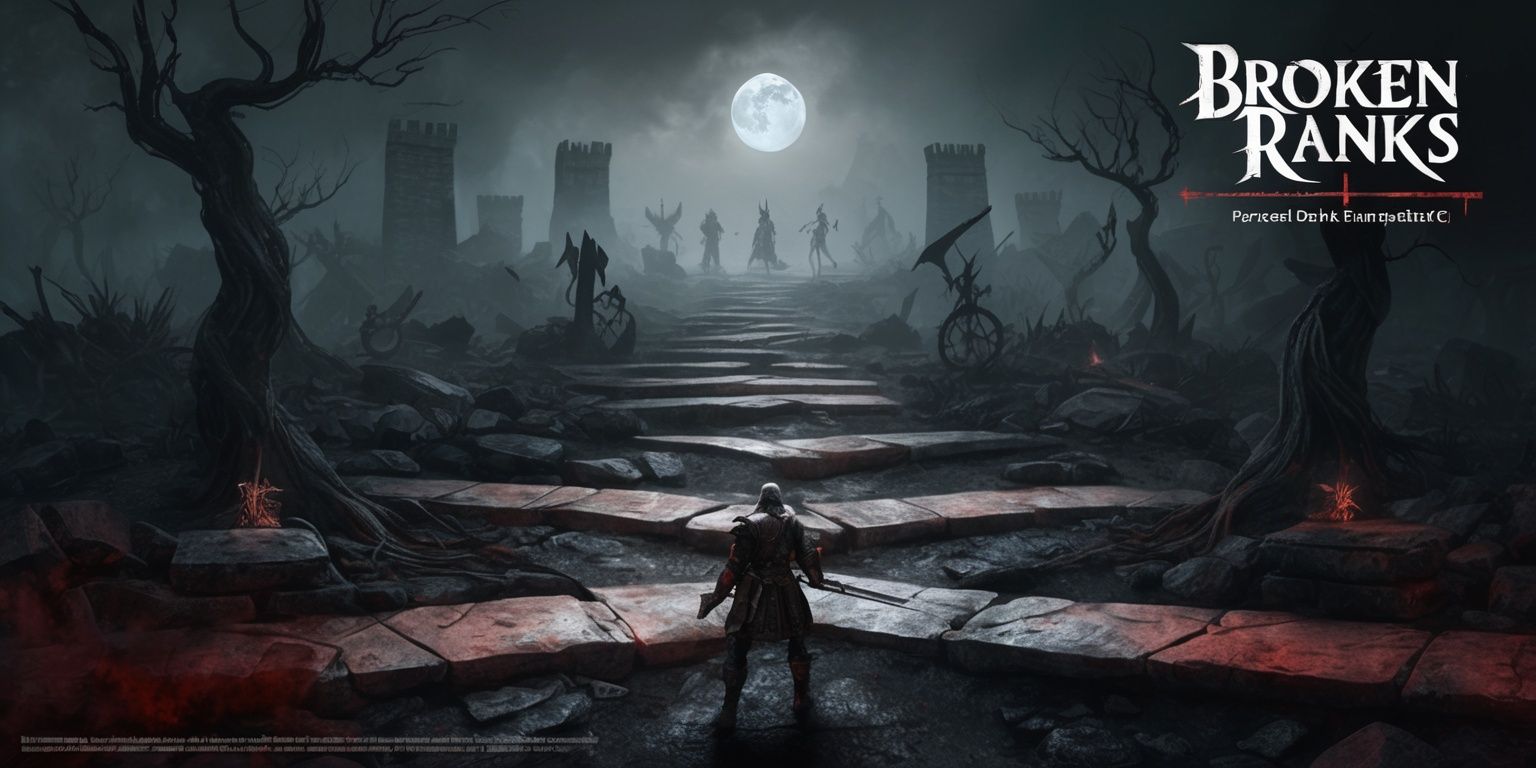
Broken Ranks opens with the kind of first impression that feels familiar and surprising at once. It embodies the aesthetic character of a timeless classic isometric role-playing game, yet it quickly reveals a world built around careful choices, measured battles, and a mood that leans into dark fantasy rather than bright heroics. From the first steps, it is evident that this is not a game about rushing through every objective. It asks players to think about class identity, resource management, and how to grow stronger over time. That slower, more deliberate rhythm is part of its appeal, especially for anyone who enjoys tactical planning, rich atmosphere, and multiplayer systems that still leave room for solo exploration.
A World That Feels Old in the Best Way
The setting in Broken Ranks is one of the strongest reasons to stay curious. Its world is shaped by low fantasy influences and touches of Slavic mythology, which gives the landscapes, characters, and quests a distinct flavor. Instead of aiming for grand spectacle every few minutes, it focuses on grounded stories and a more human scale. Villages feel lived in, roads feel uncertain, and even small tasks can carry an odd charm. This endows the game with a character that distinguishes it from many others mobile MMORPGs, where fantasy worlds often blur together. Here, the environment works as more than decoration. It supports the tone of the writing and encourages players to slow down long enough to notice what makes each region feel different.
Choosing a Class With Real Consequences
One of the first important decisions is class selection, and Broken Ranks offers seven choices with distinct roles and expectations. That variety matters because each class changes not only your combat style but also how useful you are in different group settings. Some classes are natural leaders in party play, while others reward players who prefer direct damage or tricky status effects. The good The key point is that the game does not require one correct answer. If you want raw melee pressure, one path fits that. If you prefer careful support or ranged control, another path makes more sense. The decision feels meaningful because each class comes with a personality of its own, not just a different set of numbers on a screen.
The Barbarian and the Appeal of Direct Power
For players who like close combat and strong impact, the Barbarian stands out as a simple and satisfying option. This class delivers heavy melee damage and enough toughness to stay relevant while standing near the center of danger. It suits people who enjoy a direct approach, where every battle feels immediate and physical. The Barbarian does not require a complicated setup to feel effective, which can be very reassuring for newcomers. At the same time, the class still offers enough strength to remain useful in many situations. If your ideal fantasy is a battle-hardened fighter who takes a few hits and answers with force, this class gives you that fantasy without making the learning process feel overwhelming.
Knights and the Value of Protection
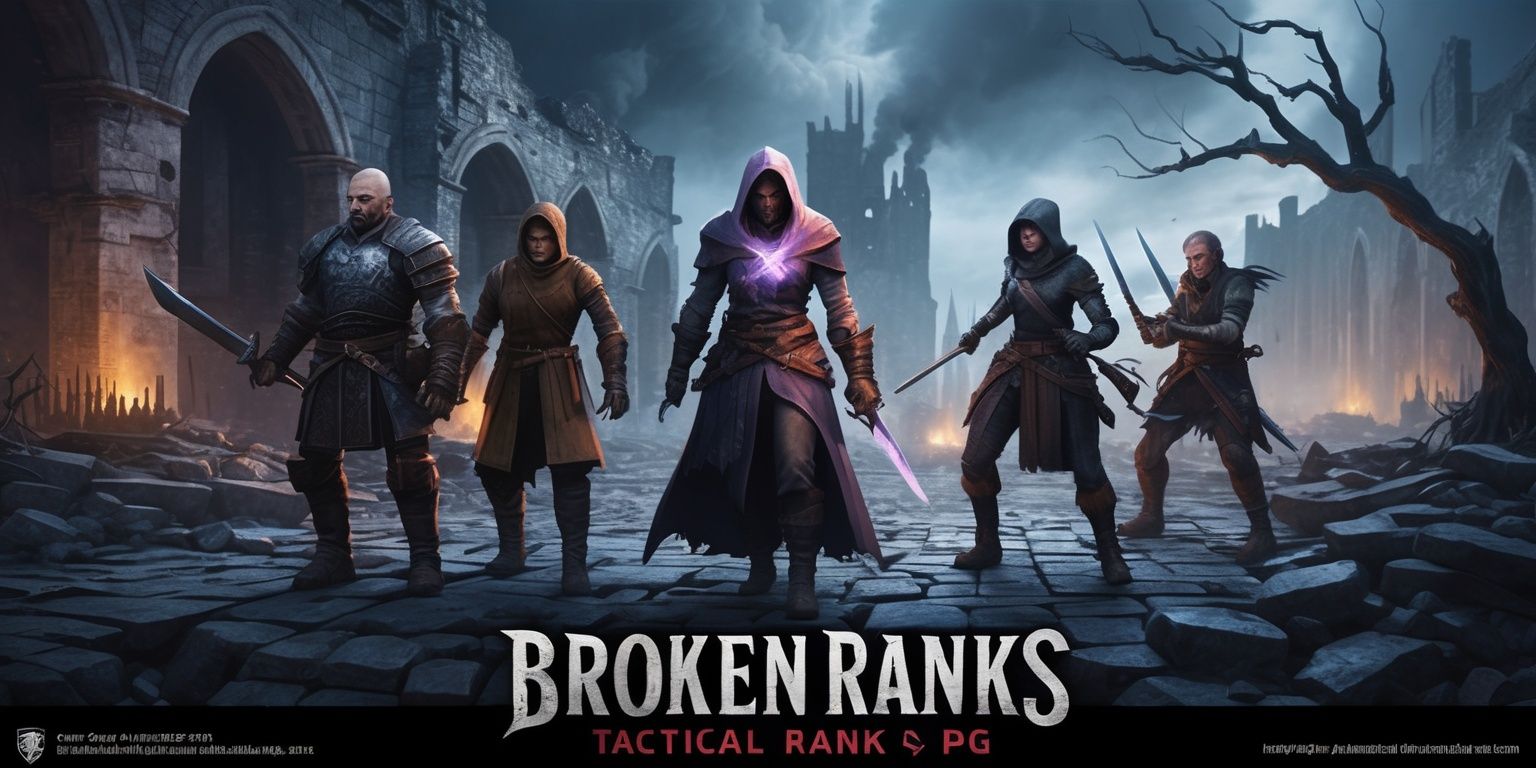
The Knight serves as the defensive anchor of the team. In many multiplayer battles, this role becomes the reason a group can survive longer and attempt riskier tactics. Knights are not meant to dominate through flashy damage. Their real strength comes from absorbing pressure and helping the rest of the party function safely. That makes them especially valuable in coordinated content, where everyone benefits from having a stable front line. For beginners, this can be a satisfying way to gain knowledge combat pacing because the role teaches awareness, timing, and positioning. Knights may not always be the loudest class on the battlefield, but they often shape the shape of an encounter more than players first realize.
Fire Mages and the Thrill of High Output
Fire Mages are built for players who want to influence a battle with explosive ranged power. Their magic can affect multiple enemies at once or focus intense pressure on a single target, which makes them feel dramatic and efficient when used well. This is a class that rewards smart target selection and confidence in your offensive setup. The trade-off is that they are not designed to absorb much punishment, so positioning matters more than it might for sturdier classes. That fragility is part of their identity. Playing a Fire Mage often feels like walking a careful line between incredible output and quick vulnerability. For players who enjoy large numbers, fast turns, and dramatic spellcasting, this class offers a strong sense of impact.
Voodoos, Debuffs, and Battle Control
Voodoos approach combat from a less direct angle, relying on debuffs, willpower drain, and turn order advantages to weaken opposing forces before they can settle in. Their toolkit is ideal for players who enjoy making enemies less effective rather than relying only on raw force. They can disrupt momentum and create openings that would not exist otherwise. That makes them especially interesting in fights where timing and positioning matter. Their downside is that they are not built for straightforward front-line durability, so careless play can put them in trouble. Still, for a beginner who enjoys tactical thinking and clever pressure, the Voodoo can feel rewarding because every action has a visible purpose beyond simply reducing health totals.
Healing Through the Druid’s Lens
The Druid holds a special place in Broken Ranks because it is the class that provides healing. That alone gives it a major role in party content, where recovering health and supporting allies can decide whether an encounter turns in your favor. This makes the Druid one of the most sought-after classes in group play, but it also creates a different kind of gameplay experience. Instead of chasing the highest personal damage, the Druid focuses on sustaining the team and enabling longer, safer fights. That support identity often makes it easier to find groups, which can be helpful for newer players. The class takes time to master, but its usefulness remains clear from the early stages onward.
Archers and the Comfort of Dependability
Archers are designed for players who want a reliable ranged style without too many complications. They offer accuracy, useful debuffs, and performance that tends to function effectively across many different situations. That flexibility is appealing for beginners who want a straightforward path into the game without sacrificing usefulness later on. An Archer can contribute consistently whether the fight calls for steady damage or extra control. The class also feels comfortable for players who like keeping some distance from danger while still staying active and involved in every turn. In many MMORPGs, that kind of consistency becomes a hidden strength, and Broken Ranks gives the class enough depth to stay engaging without turning it into a burden to learn.
Sheeds and the Power of Unusual Technique
The Sheed stands apart from the rest of the roster through its weapon style and combat identity. Armed with knuckledusters and tied to ancient martial traditions, the class offers something that feels less conventional than typical melee fighters. It combines survivability with debuffs, creating a style that can feel clever as well as aggressive. For beginners, the novelty alone can make the class appealing, but its value goes further than aesthetics. A skilled Sheed can handle one-on-one encounters very effectively, which gives the class a strong personal edge. It is a good fit for players who enjoy learning a combat style that feels distinctive, grounded, and a little unpredictable compared with more standard fantasy archetypes.
Combat That Runs on Planning, Not Panic
Broken Ranks uses turn-based combat that feels much more deliberate than many players expect from an MMORPG. Every round gives you a short planning window, which turns each encounter into a sequence of calculated decisions. You are not simply choosing the biggest attack available. You are spending action points between offense and three defensive areas: melee, ranged, and mental. That means every turn asks you to balance pressure and protection. More action points in attack raise your chance to land a strike, while more points in defense reduce damage from specific threats. The result is a system that rewards foresight, adaptation, and knowledge of enemy behavior. It feels tactical without becoming slow for the sake of it.
Resources, Momentum, and the Extra Layer of Rage
The combat system becomes even more interesting once stamina and mana enter the picture. These resources shape what your class can actually perform during a given round, and if you run short, a planned action may simply fail to happen. That can be annoying, but it also gives the game its rhythm. You are always balancing ambitious turns against realistic limits. At level 7, the system adds Rage, which grows when luck turns against you. Missing an attack or taking a hard hit can fill this meter, and once it is ready, you can spend it on special options such as acting first, restoring resources, or improving your ability to avoid damage. It creates a satisfying sense that setbacks can still push you into stronger decisions.
Tactics, Presets, and a Smarter Way to Fight
Outside the heat of battle, Broken Ranks lets you save preferred setups as tactics. This is a practical feature, but it also shapes how the game feels over time. Instead of rebuilding your approach from the ground up every fight, you can begin with a saved pattern and adjust it within the short planning window. That is especially helpful for routine battles, where efficiency matters, but it is equally useful when a tougher opponent forces you to adapt quickly. The tactic system supports the game’s identity as something built for thoughtful players. It also makes the experience smoother on mobile, where quick access and clear planning tools matter even more. For people who enjoy preparation, this feature becomes one of the most enjoyable aspects of the game.
Exploration, Quests, and the Joy of Small Problems
The quest design deserves attention because it avoids the usual habit of turning every task into a world-saving emergency. Instead, many of the best moments come from ordinary situations with memorable twists. One quest might involve a tangled romance, another might center on a village election, and another may send you searching for a missing drunk. These stories work because they feel specific and often unexpectedly funny or human. They also encourage solo play early on, which means you you can discover at your own pace without feeling pushed into groups too soon. That freedom is valuable for new players who want time to understand the world, test different approaches, and enjoy the writing before diving into faster group content.
PvP, Peaceful Play, and the Choice to Compete
PvP in Broken Ranks is optional, which makes it feel more welcoming for players who prefer a calmer pace. If you decide to stay in peaceful mode, you are generally left alone outside designated areas, so the game does not force conflict into your path. At the same time, the faction system is there for players who do want competition and rivalry. If you choose that route, knowledge becomes extremely important because understanding how different classes behave is a major advantage. Knowing common tactics, likely threats, and role interactions can shape the outcome of a match before it even begins. This optional structure keeps the competitive side available without letting it define every player’s experience. It gives the game room to support both relaxed exploration and more demanding duels.
Platinum, Convenience, and What Premium Really Changes
Broken Ranks relies on Platinum as its premium in-game currency, and it can be obtained either through real money or through player trading in the marketplace. That flexibility matters because it means free-to-play users are not locked out of the core game. You can still progress and enjoy the full structure of the MMORPG without paying upfront. A premium account does add useful conveniences, though. Extra backpack capacity, faster regeneration, and daily rewards can make repeated sessions much smoother, especially for gamers who devote a lot of time to the game. The value is mostly about comfort and pace rather than access. That balance helps the game feel less aggressive about monetization while still giving interested players reasons to think about premium if they want a more efficient routine.
Preparation Habits That Make Early Progress Easier
Starting well in Broken Ranks often comes down to a few practical habits. Saving tactic presets early can save time once combat starts becoming more demanding. Spending time on side quests can also reveal some of the game’s strongest writing, since many smaller stories carry more personality than the main path alone. Guilds are worth joining eventually, but there is no need to rush into one before you know what kind of player you want to be. The game also invites you to experiment with weapons, builds, and class-specific choices, which becomes more interesting the longer you stay with it. Regular daily progress matters too, because even small improvements add up in a system built around steady growth and careful play.